The Skilled Technique Powering Ferragamo: Italian Leather Traditions Broken Down
Instead of merely piecing footwear and leather goods together, Salvatore Ferragamo built a reputation on engineering them from the ground up. This guiding principle, originating in Florence back in 1927, still shapes how a ferragamo bag is tailored, assembled and polished even now. Appreciating the workmanship that defines the house helps clarify why a salvatore ferragamo bag commands attention among enthusiasts and casual browsers alike. It also clarifies cost, durability and why certain pieces are singled out as the best ferragamo bags on the pre-owned and first-hand markets.
Selecting leather, tanning it, sourcing hardware and finishing by hand all play a role in shaping what sets apart an entry-level accessory from a top-tier heritage piece. The following piece walks through each stage of that process, compares construction approaches across categories, and gives a grounded overview of what to look for when browsing a ferragamo shop in 2026.
The Origins of Ferragamo’s Craft Ethos
Salvatore Ferragamo trained as a shoemaker in Bonito, Italy, before moving to the United States and in time returning to Florence to establish his workshop. His early obsession was anatomical fit, which led him to examine materials as meticulously as craftsmanship technique. This same discipline carried over into leather goods once the house expanded beyond footwear in the mid-20th century.
Florence itself is significant in this story. The city sits at the center of Tuscany’s tanning industry, an area with centuries of accumulated expertise in vegetable and chrome tanning alike. Ferragamo sources much of its leather from tanneries within this region, which minimizes shipping delays and allows tighter oversight between tannery and workshop. This closeness is no mere marketing flourish; it’s a operational benefit that reduces handling damage and maintains uniform hide quality.
This localized density of expertise also explains why numerous Italian luxury brands, Ferragamo among them, keep their ateliers within a tight radius of Florence and its surrounding provinces. The ecosystem — tanneries, hardware foundries, skilled artisans — is all clustered together, and this proximity is one reason why “Italian leather” means something substantive rather than mere promotional wording.
How Ferragamo Leather feragamo.net Is Sourced and Treated
Not every hide qualifies for a finished bag. Tanneries assess hides based on thickness, grain tightness and surface blemishes before they’re approved for cutting. Ferragamo’s leather goods generally depend on full-grain or top-grain calfskin, along with exotic options such as python or crocodile for select limited runs, though availability varies by collection and season.
Both approaches appear across the Ferragamo leather goods range depending on the intended bag structure — rigid top-handle bags often gain from vegetable-tanned leather’s solidity, while softer-shaped hobo styles suit the softer hand of chrome-tanned skins.
Following the tanning stage, hides undergo dyeing, buffing and sometimes embossing before they even arrive at a cutting table. Any inconsistency at this stage — an uneven dye lot, a hide that’s overly thin at the shoulder — gets the skin turned away. That’s partly why production output for some bag lines stay limited; the raw material simply fails to consistently meet the bar.
The Way a Ferragamo Bag Is Shaped by Construction Methods
The cutting process, after the leather has been approved and reaches the workshop, is performed with close attention to the hide’s natural grain direction — panels cut against the grain age and stretch differently compared with those cut along it. Trained cutters plan each pattern piece to sidestep scars, stretch marks or thinner areas near the hide’s edges.
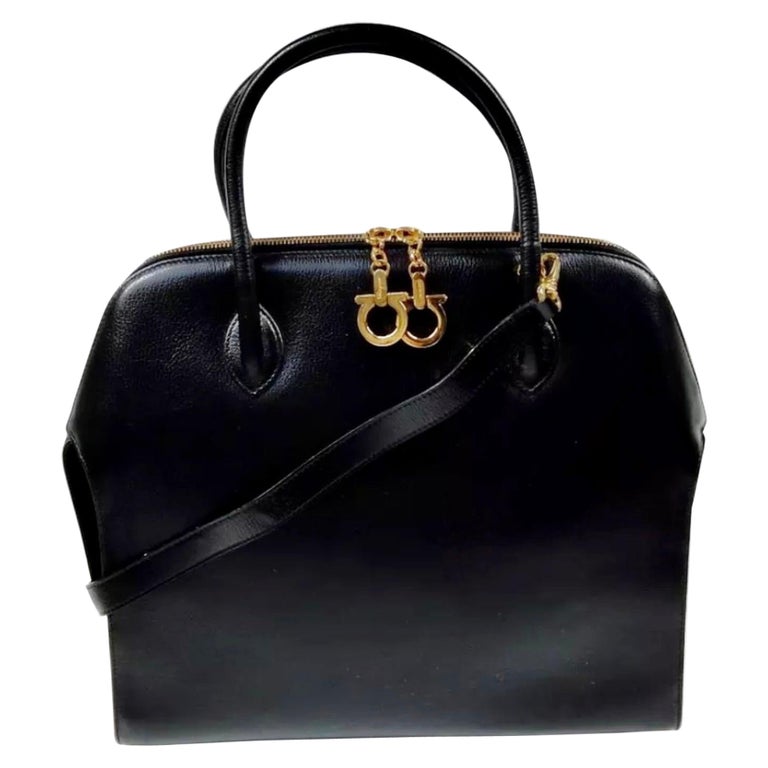
On a ferragamo bag, the main seams are usually machine-stitched, while edges, handles and closures get hand-finishing. Edge painting — applying multiple thin coats of lacquer to a leather edge and burnishing between coats — is a detail deserving careful attention, since a clean, glossy edge with no cracking often points to careful finishing standards.
Hardware is another differentiator. Zippers, clasps and the brand’s signature Gancini hardware are generally produced in brass or zinc alloy, then plated in gold-tone or palladium finishes. The quality of the plating affects how well hardware resists tarnishing over years of use, and it’s frequently the first thing that separates a well-maintained bag from one that looks worn too soon.
What’s built inside matters every bit as much as what’s visible from outside. Strengthened corners, structured bases and canvas or leather lining all factor into how a bag retains its form after months of everyday wear. A properly constructed ferragamo bag ought to maintain its shape even when only partially filled, which is a useful way to assess structural quality in person.
Contrasting Ferragamo Bag Classes
Ferragamo’s leather goods cover several structural categories, each suited to different use cases and price points. The table below offers a general comparison to help shape expectations when shopping a ferragamo shop, whether in person or online.
| Bag Classification | Common Leather | Build | Most Suited For |
|---|---|---|---|
| Bags with a top handle | Calfskin tanned with plant-based tanning methods | A rigid profile that holds its structure | Formal events and professional wear |
| Shoulder bags | Chrome-based calfskin | A relaxed, supple hang | Casual activities and routine errands |
| Crossbody bags | Various tanning techniques, often paired with canvas accents | A moderately structured, compact build | Trips, hands-free days |
| Evening and clutch bags | Rare or embossed leathers | Minimal internal framework | Evening wear and special events |
This breakdown isn’t exhaustive, but it gives a working framework. Anyone compiling their own ferragamo bags overview should start by asking how a bag will actually be used before comparing leather type or hardware finish, since fit-for-purpose matters more than category prestige.
What Separates the Most Coveted Ferragamo Bags From the Rest
Among collectors and long-time shoppers, a consensus tends to form around which pieces qualify as the best ferragamo bags — and it usually comes down to a combination of construction quality, hardware durability and design longevity rather than trend cycles. Bags built on the house’s classic Gancini hardware tend to hold resale value better than seasonal designs tied to a single collection.
Stitch consistency is a down-to-earth signal you should learn to recognize. More consistent, closely-set stitching around points of tension — handle attachments, zipper seams, corner joins — suggests a bag designed to last for years rather than a single season. In those very same high-strain spots, stitching that is loose or irregular — regardless of how good the bag otherwise looks — typically foreshadows damage sooner than expected.
The thickness of the leather also factors in, especially on styles with structured construction. A top-ranked ferragamo bags list assembled by most style editors will typically favor pieces using thicker, full-grain leather over thinner corrected-grain options, since thickness correlates directly with resistance to creasing and sagging over time.
Ultimately, what distinguishes a thoughtfully constructed piece from one made using mismatched leftover leather is evenness across a single bag’s panels — grain texture that lines up and a uniform dye batch. This is a point worth examining under strong, direct light before completing any buy, whether new or pre-owned.
Clever Shopping Moves within the Salvatore Ferragamo World
No matter if searching under salvatore bag, ferregamo, or the full salvatore ferragamo bags range, differences in spelling should not divert attention from the essential points discussed above: leather grade, the tanning process, hardware quality along with how consistent the stitching is. Passing fads carry less weight than these four factors when evaluating long-term value.
Buying through an authorized ferragamo shop or the brand’s official channels remains the safest way to guarantee authenticity and post-purchase support, including repairs and hardware servicing. Secondary markets can offer value, but verifying leather type, stitching and hardware plating in person or through detailed photos is essential before committing to a purchase.
Given that pricing shift a great deal according to type, material, and limited-edition status, you should compare multiple listings within the same style rather than taking it for granted price alone signals quality.
The leather quality can carry no more weight than a well-documented provenance — receipt, dust bag and authenticity card — at resale time.
Its lifespan can be extended significantly through consistent upkeep.
Conditioning leather every few months, avoiding prolonged sun exposure and storing bags upright with their dust bags all go a long way toward preserving both form and surface quality.
An item that’s been properly cared for, whatever its category, will generally hold up better than a neglected one of greater original quality.
Fundamentally, the artistry behind Ferragamo’s leather goods is a product of generations of refined technique rooted in Florence’s leather-tanning tradition.
Ranging from how the hide is picked to how the edges are finished, understanding these details turns a simple purchase into an informed one, making it easier to identify truly well-crafted pieces whether you’re comparing options across a ferragamo shop or reassessing something already in your collection.